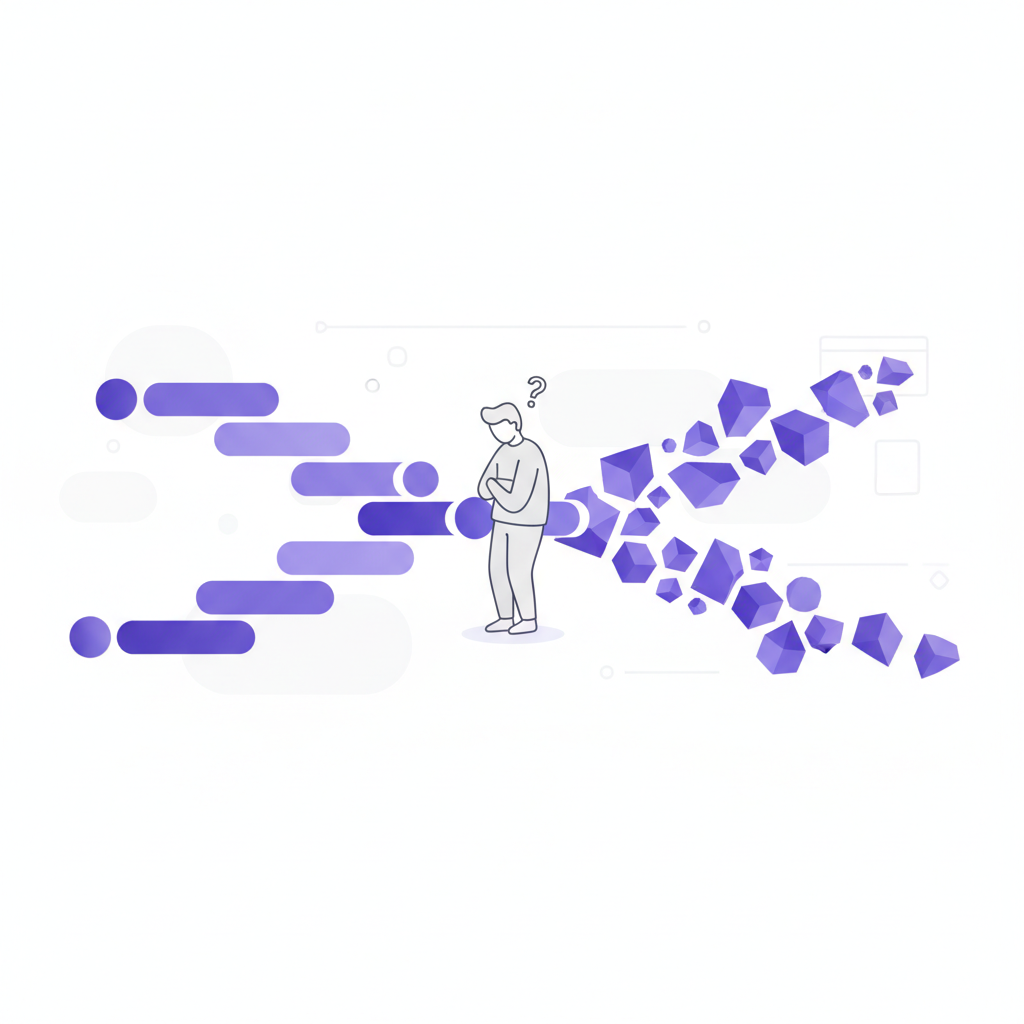
It's 9 AM on a Monday, your first day at a new company. You walk in, excited, maybe a little nervous. Someone shows you to a desk, points out the coffee machine, and then—bam—you're hit with a 45-minute presentation on how to log customer complaints in a complex CRM. Later that day, another manager drops by with a link to a series of videos on the company's long-term vision. By lunchtime, you're not sure if you should be processing tickets or contemplating market share.
Sound familiar? We've all been there. This scramble, this feeling of being simultaneously overwhelmed and underprepared, often stems from a single, common oversight: conflating onboarding with training.
It’s the most common reason new hires feel lost for their first 90 days, and frankly, it's exhausting for everyone involved. As a team dedicated to helping people learn, we see this misstep all the time, and we know it doesn't have to be this way.
What is Onboarding, Really?
Think of onboarding as laying the foundation. It's about welcoming a new team member into your organization's world. This isn't just about handing over paperwork or setting up their email; it's a holistic process designed to integrate them into the company culture, clarify their role within the broader team, and make them feel a sense of belonging.
Onboarding activities typically include:
- Cultural immersion: Understanding the company's values, mission, and how things 'really get done' around here.
- Administrative setup: Payroll, benefits, IT access, finding the breakroom.
- Team introductions: Meeting colleagues, understanding team dynamics, and who does what.
- Vision and strategy: Learning the company's goals and how their role contributes to the bigger picture.
The goal of onboarding is to make someone feel like a part of the team, equipped with the context and psychological safety to thrive. It’s about answering the question: "Where do I fit in here, and why does what we do matter?"
And What About Training?
If onboarding is laying the foundation, training is building the house. Training is about developing the specific skills and knowledge required to perform the actual job functions. It's practical, task-oriented, and focused on capability.
Training activities might involve:
- Software proficiency: Learning how to use Salesforce, HubSpot, SAP, your internal ticketing system, or any other tool essential to their role.
- Process walkthroughs: Step-by-step guides on how to process invoices, close a sale, or respond to a customer query.
- Skill development: Enhancing public speaking skills, mastering a new coding language, or becoming an expert in market analysis.
- Compliance procedures: Understanding and executing specific regulatory requirements.
The purpose of training is to empower an employee to perform their duties effectively and efficiently. It answers the question: "How do I do my job well?"
Why The Mix-Up Hurts Everyone
When we treat onboarding and training as one monolithic process, we set new hires up for failure. Imagine trying to learn how to change a car's oil while someone is simultaneously explaining the history of the automobile and the economic impact of the auto industry. You'd be overwhelmed and likely do neither task well.
Here’s what happens:
- Information Overload: Dumping everything at once means new hires struggle to prioritize. They can’t grasp the 'why' (onboarding) because they're drowning in the 'how' (training).
- Lack of Context: Without understanding the company culture or their team's dynamics, job-specific training feels arbitrary. "Why am I doing this?" becomes a constant, distracting question.
- Delayed Productivity: Feeling lost leads to hesitation and mistakes. It takes much longer for new employees to become self-sufficient because they're constantly backtracking or asking questions that could have been avoided with better sequencing.
- Reduced Retention: A poor initial experience, marked by confusion and frustration, can significantly impact a new hire's engagement and long-term commitment. People leave when they don't feel supported or effective.
One mildly opinionated take we hold firmly: it's better to provide slightly less information upfront, delivered with clarity and context, than a firehose of everything all at once. Your new hire needs to breathe, absorb, and connect before they can truly execute.
Making the Distinction Work For You
Separating onboarding and training isn't just about different content; it’s about different approaches and timelines. We often recommend dedicating the first week (or even two) almost exclusively to onboarding – making connections, understanding culture, and administrative tasks. Then, gradually, layered and role-specific training can begin.
This is where tools shine. While your human resources team focuses on the warm welcome and cultural integration, digital tools can provide structured, on-demand training. For example, we've built Beacon to help teams create interactive product tours for specific software workflows. Instead of a new hire trying to remember a 30-minute webinar on Salesforce navigation, they can start a tour that guides them click-by-click through processing their first lead, directly on the live Salesforce page. This kind of targeted support means training becomes an accessible resource, not an overwhelming lecture.
With features like our staff training assignments and courses, you can ensure that once a new hire is settled in, they receive the right sequence of job-specific training modules – perhaps starting with 'Navigating Our CRM Basics' and then progressing to 'Advanced Reporting for Sales'. It’s all tracked, reportable, and digestible.
By clearly defining and separating these two critical processes, you empower your new hires to feel supported, capable, and genuinely excited about their journey with your company.
Ready to explore more strategies for effective employee training and development? Our Academy Hub is packed with guides, templates, and best practices designed to help your team succeed. Or, if you're curious about how Beacon helps streamline your training programs with interactive product tours, you can always learn more and sign up at dobeacon.com/signup.