
When Innovate Solutions Inc., a global SaaS provider with over 10,000 active users, realized their new user onboarding process was chewing up 30% of their customer success team's time just answering basic product usage questions, they knew something had to change. They were already using Appcues for some in-app messaging, but the complex multi-step feature tours were developer-dependent, slow to build, and even slower to iterate. Sound familiar? It's a story I hear constantly.
Look, I get it. Investing in a digital adoption platform feels like a big commitment. There's WalkMe, Appcues, Pendo, Userpilot – all promising to be the silver bullet. But for many teams, these tools, while powerful, quickly become their own kind of project management nightmare. I’ve seen companies get bogged down in multi-week development cycles just to launch a simple feature tour. Imagine building an entire onboarding flow with a solution that demands a developer every time you want to tweak a tooltip. That's not agility; that's just moving the bottleneck.
Innovate Solutions had hit this wall. Their product team was frustrated, customer success was stretched thin, and new user activation rates were stagnating. They needed a way for their product managers and CS reps – the people who actually understood the user journey – to build, test, and deploy in-app guidance without ever touching code. They considered doubling down on Appcues, but the cost for the scale they needed was prohibitive, and the core challenge of developer dependency remained. WalkMe was immediately out due to its infamous price tag and steep learning curve. Pendo offered analytics, which they already had, but its guidance capabilities felt clunky and weren't the focus. Userpilot looked promising, but it still required a level of manual setup that felt like a step backward, not forward, for their speed goals.
What they discovered with DoBeacon was a platform built from a different philosophy. Forget endless clicks and manual element selection. DoBeacon's AI-assisted step generation was the absolute win for them. Innovate Solutions could link their internal SOPs and process documents to a tour, and DoBeacon's AI would extract distinct actions or information points, drafting an intelligent sequence of steps. For example, by linking a document detailing 'how to create a new project', DoBeacon could generate the foundational steps for an interactive tour.
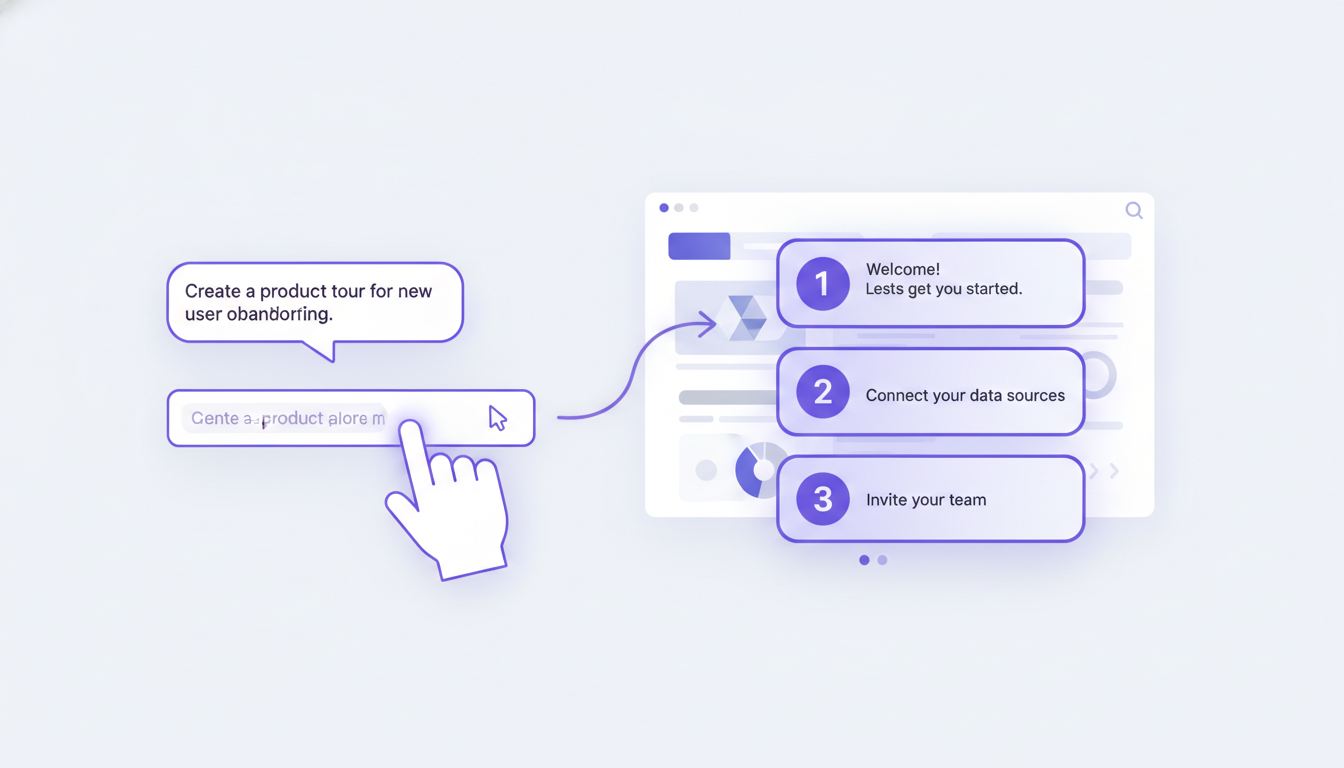
This isn't some marketing gimmick; it's genuine time-saving automation. Their product team went from spending days on a complex tour to minutes. This speed meant they could experiment more, iterate faster, and react to user feedback instantly. No more waiting for a developer's sprint slot to open up.
But DoBeacon isn't just about AI. Its core design principle is simplicity. Innovate Solutions loved that their non-technical teams could own the entire process. Creating a new tooltip or adding an announcement became a self-service operation. This directly freed up their developers to focus on building the product, not building guides for the product. That's a huge shift in resource allocation, and one that quickly delivers ROI. Think about what a developer's salary translates to in terms of hours spent debugging a CSS selector for a tooltip that could have been created in 30 seconds by a product manager.
And then there's the cost. When you're evaluating tools like WalkMe, the sticker shock can be real. I've spoken to companies quoted six figures annually for WalkMe, often for functionality they'll only use 20% of. It’s like buying a bulldozer to dig a garden bed. You get the power, sure, but you're paying for way more than you need, and the maintenance is a nightmare. DoBeacon is designed to be affordable for growing SaaS companies, delivering powerful features with significant value compared to competitors that might come with a higher total cost of ownership. Innovate Solutions found they could deploy DoBeacon across their entire user base for a fraction of what a comparable solution from Pendo or Appcues would cost at their scale.
By adopting DoBeacon, Innovate Solutions wasn't just saving money; they were seeing tangible, measurable improvements in their user experience and operational efficiency. The 40% reduction in onboarding time wasn't some abstract goal; it meant new users were reaching their 'aha!' moment faster, understanding core features independently, and needing less hand-holding from customer success.
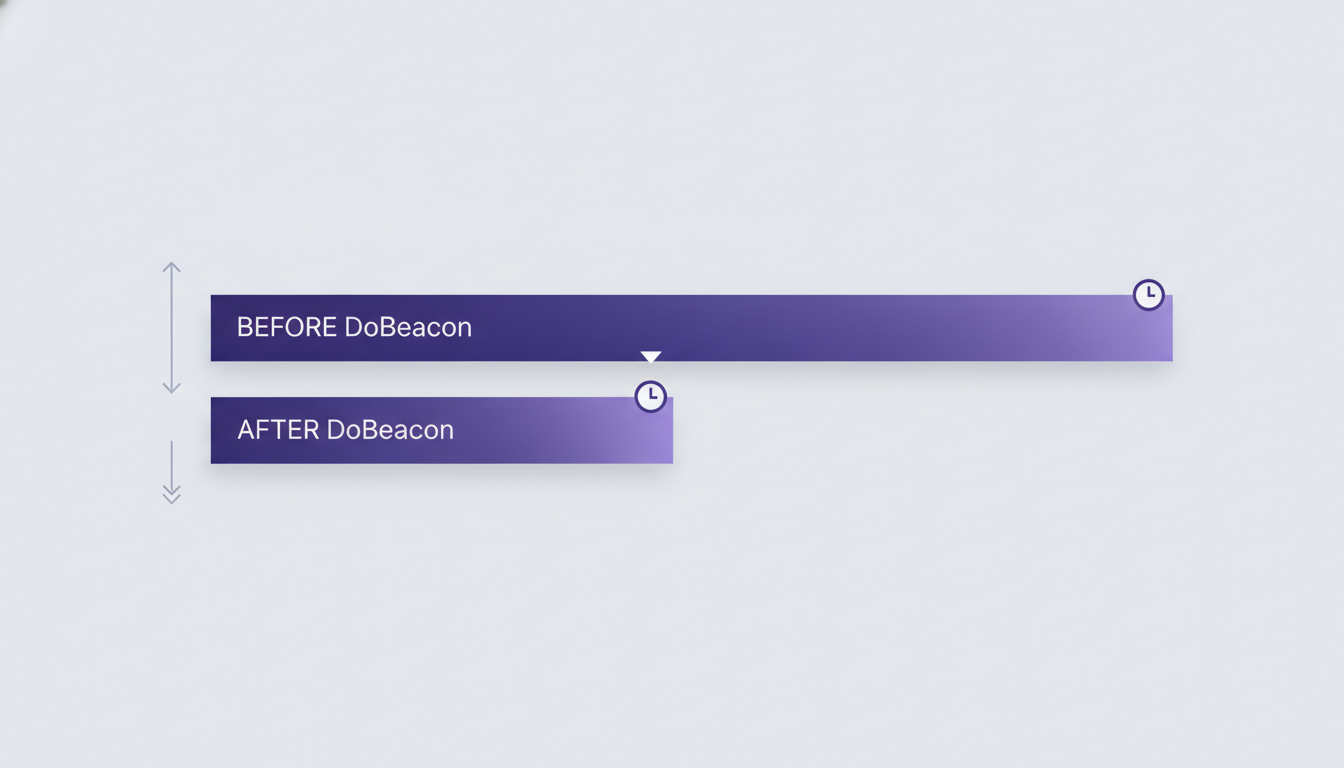
This improvement translated directly into a 15% reduction in support tickets related to basic product usage. Think of the downstream effects: CS teams could focus on proactive engagement and complex problem-solving, not repetitive walk-throughs. Their product team gained invaluable insights from DoBeacon’s built-in analytics, helping them refine tours based on actual user engagement data, rather than guesswork.
Now, I'm not going to tell you DoBeacon is for absolutely everyone. If you’re a Fortune 100 enterprise with deeply embedded legacy systems and a requirement for hyper-customized, cross-application flows that span dozens of tools, WalkMe might still be the only solution with that sheer breadth of integration. But for 95% of SaaS companies, especially those who prioritize speed, cost-effectiveness, and empowering their non-technical teams, DoBeacon provides a no-code visual builder and AI-assisted walkthroughs that streamline digital adoption. It’s the tool designed for how modern product teams actually work, not how they wish they could work with a dedicated team of DAP engineers.
Innovate Solutions didn't just switch digital adoption platforms; they transformed their approach to user onboarding and product education. They stopped thinking about product tours as a development project and started seeing them as a fluid, responsive part of the user journey, owned by the people closest to the customer. If you're tired of digital adoption tools that feel like another product you have to build, it's time to see what DoBeacon can do for you.
Ready to cut through the complexity and empower your team? Start a free migration today.