

You’re evaluating product tour providers, and I get it. You've probably already seen the big names: WalkMe, Appcues, Pendo, Userpilot. Maybe you're even using one of them right now, feeling the friction and wondering if there's a better way. Switching tools isn't a decision anyone takes lightly; it’s a real pain, a project, a potential headache. But what if the headaches you're feeling today, or the ones you're about to sign up for, are far more expensive than the monthly invoice suggests?
Because the truth is, the most significant costs of legacy product tour platforms aren't listed on their pricing pages. They're buried in developer time, slowed product cycles, and the sheer overhead of maintaining something that should be simple.
The Legacy Trap: More Features, More Problems
When you look at tools like WalkMe, Appcues, Pendo, or Userpilot, you see a lot of features. Enterprise-grade this, robust analytics that. It sounds impressive, right? For certain, extremely complex enterprise applications with dedicated teams just for onboarding, WalkMe’s deep customizability might actually be the right fit. It's built for that level of complexity, and it charges for it. But for the vast majority of companies, even those with substantial user bases, this level of 'enterprise' quickly becomes a burden.
Here’s what I hear daily from product managers and growth leads: they're tired of submitting tickets to engineering just to update a tour's text, or waiting weeks for a new tour to go live because it requires developer resources to implement and QA. They're frustrated by tours that break with every minor UI change, demanding constant maintenance. They're paying top dollar for features they barely use, all while the core job — getting users onboarded effectively and efficiently — remains unnecessarily difficult.
Unpacking the "Hidden" Costs
Let’s get specific. Where do these hidden costs really hit?
-
Developer Dependency: This is probably the biggest one. You've launched a new feature, and you need an onboarding tour to guide users. With many legacy tools, that means your product manager defines the tour, and then an engineer spends hours writing code, implementing event tracking, or figuring out how to target specific UI elements reliably. Every tweak, every change, every A/B test – it all pulls valuable engineering time away from building core product features. That’s not just a salary cost; it’s a significant opportunity cost.
-
Maintenance Nightmare: Your product's UI evolves. It has to. But every time a button moves, a class name changes, or a component gets refactored, there's a high chance your meticulously built tours will break. Fixing them isn't glamorous work, and it's certainly not free. It's a continuous, often reactive, drain on resources.
-
Lack of Agility & Speed: Want to iterate quickly on your onboarding? Test two different tour flows next week? Good luck if you need engineering involved. The cycle of ideation, implementation, QA, and deployment becomes a bottleneck. Your ability to respond to user feedback or launch new features with instant guidance slows to a crawl.
-
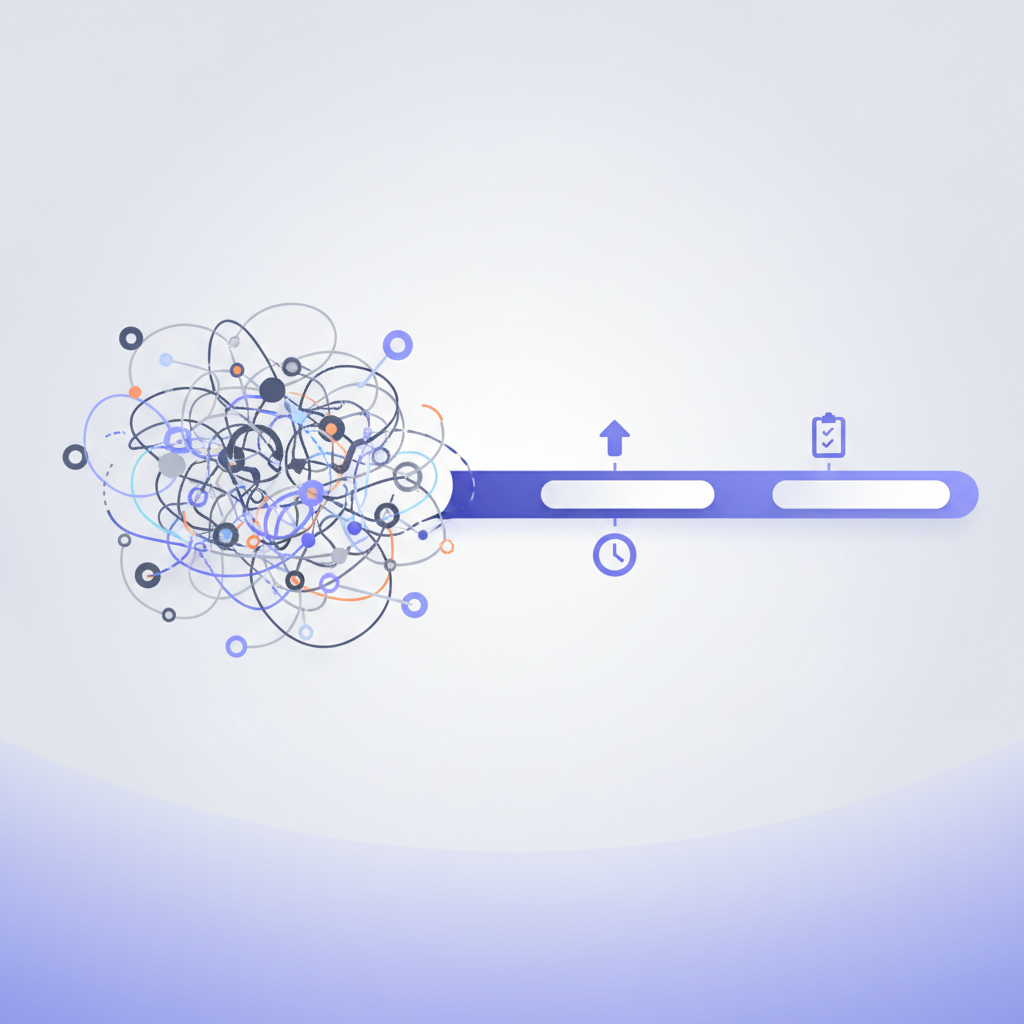
Over-Engineering for Simplicity: Most tools aren't built with modern web applications in mind from the ground up. They often layer complexity on top of an already complex codebase, trying to force fit solutions into a no-code experience that ultimately still needs code to work perfectly. You end up paying for that bloat.
The Counterintuitive Truth: Simpler is Often More Effective
Here's my mildly opinionated take: often, more features just means more surface area for things to go wrong, and more time wasted trying to configure an overly complex system. The goal isn't to have the most feature-rich product tour software; it's to get users onboarded and activated effectively and quickly, with minimal effort from your team. A beautifully simple, AI-powered tour that guides users dynamically is almost always more impactful than a hyper-customized, static tour that took weeks to build and breaks every month.
Think about it: Your users don't care about the underlying complexity of your onboarding tool. They care if it helps them understand your product quickly and painlessly. They want guidance that feels natural and personalized, not a rigid, generic walkthrough.
How DoBeacon Changes the Equation
This is where DoBeacon comes in, designed specifically to address these hidden costs and frustrations. We’re not trying to be a general-purpose analytics platform or a deep-dive product insights tool like Pendo. We’re focused relentlessly on making product tours intelligent, effortless, and accessible to everyone on your team.
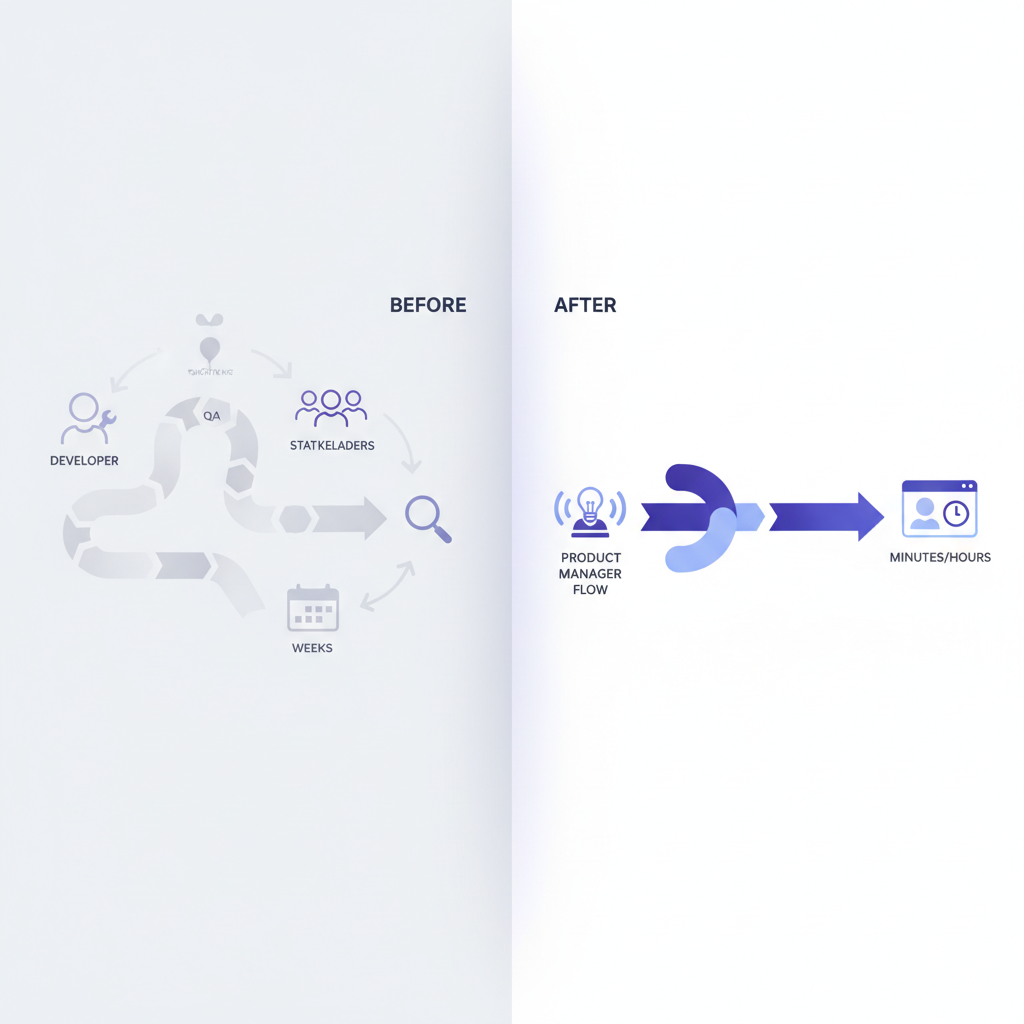
- Truly No-Code: With DoBeacon, product managers and marketers own the entire tour creation process. Point and click. Define steps. That’s it. No tickets to engineering. No waiting. Your team builds tours, publishes them, and iterates in minutes, not days or weeks.
- Resilient Tours: DoBeacon is designed for resilience. The SDK's robust selector handling, including automatic waiting for elements and fallback selectors, helps your tours adapt to minor UI changes. This significantly reduces maintenance overhead, helping your tours remain live and reliable even as your product evolves.
- Affordable, Transparent Pricing: We're not built for charging exorbitant enterprise fees that only make sense if you have a massive team of full-time WalkMe implementers. DoBeacon offers straightforward pricing that scales with your usage, without hidden charges for features that should be standard.
- Faster Time-to-Value: Imagine launching a new feature and having an accompanying tour live the same day. DoBeacon makes that a reality. You’re agile, you’re responsive, and your users get immediate value from your latest updates.
 I’ve seen teams spend months trying to get an Appcues implementation right, only to find their tours are still too generic. Or paying Userpilot a hefty sum and still needing custom CSS for basic styling. Your product team's time is your most valuable resource. Don’t waste it on complex tools that demand developer resources for every little thing.
We know making a switch is a hurdle. But if you’re currently wrestling with complex, developer-dependent, or simply too expensive product tour software, DoBeacon offers a dramatically simpler, more intelligent, and more cost-effective path forward. It’s about getting back to what matters: guiding your users and helping them succeed, without all the overhead.
Ready to ditch the hidden costs and unnecessary complexity? It's time to see how simple product tours can really be.
Start a free migration today. Sign up for DoBeacon.